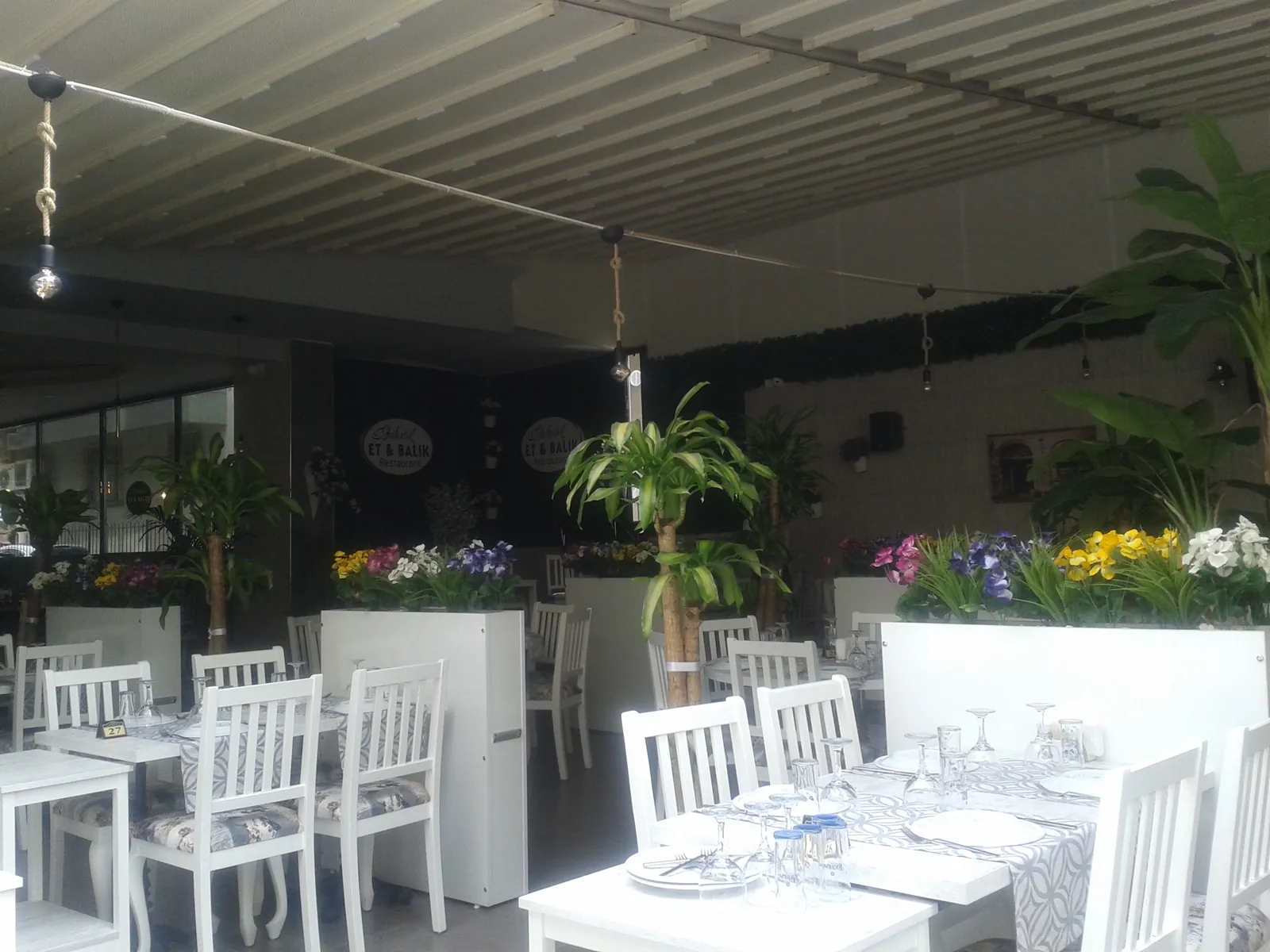
Photo from Wikimedia Commons

On a restaurant bill in Turkey, a service, table or cover charge may not be demanded on top of the listed prices, while any tip (bahşiş) is voluntary. Compare the bill with the price list and resolve any named extra first, then decide what, if anything, you want to add within your budget. Confirm with the venue how a tip can be given and who receives it before you pay.
Photo from Wikimedia Commons
CONTENTS
Check the bill before you decide anything else
Take the bill and the price list together and compare them line by line. In Turkish food-and-drink businesses — restaurants (restoran, lokanta), cafés, patisseries and similar places — a charge added on top of the listed prices as servis ücreti (service charge), masa ücreti (table charge), kuver ücreti (cover charge) or any similar name may not be demanded from the customer. The ban comes from Article 8(6) of the Price Tag Regulation (Fiyat Etiketi Yönetmeliği), as replaced by the amendment published in the Resmî Gazete on 30 January 2026 (issue 33153) and in force from that date.
The useful distinction is between a named extra and a price you chose. A service, table or cover charge added on top of the listed prices is what the rule addresses. A dish or drink ordered from the price list is not: its price is what you agreed to pay, and the rule does not make ordered food or drink free. The Ministry of Trade’s explanation of the amendment says customers pay for the food and drink they order, while mandatory service, table or cover charges will not be requested.
Kuver is narrower than “the bread is free”. The Ministry describes kuver items as appetiser food and drinks served before ordering without the customer requesting them, and says their price will not be requested. Appetisers you order from the price list remain chargeable; the rule covers what arrives unrequested before you order, not everything placed on the table.
A note on the menu announcing a service or cover charge does not make it collectable. The amendment forbids these businesses from stating in tariffs, price lists or menus that a service charge, cover charge or an extra fee under any name will be charged; the Ministry describes those lists as showing only the prices of products. The printed notice is part of the demand, not a permission for it.
Price lists must also be easy to consult. They are to be posted in front of the entrance — separately at each entrance where there is more than one — and on the tables where service is given, visible and readable, with every product offered included. A QR code at the table is allowed, but if you ask for the list it must additionally be supplied; no particular format is prescribed for that copy. Prices include all taxes and appear in Turkish lira, written as “Türk Lirası”, “TL” or “₺”.
If a line does not match, ask about it before paying: what the item is, which price-list entry it corresponds to, and whether it is a service, table or cover charge. If it is one of the prohibited extras, ask for it to be corrected or removed. Keep the tip question separate: a charge you did not choose is not a tip.
The prohibition is expressly “subject to Article 51 of Labour Law No. 4857 being reserved”. Where the yüzde (percentage) system is used — in hotels, lokanta, entertainment places, similar establishments, and places serving drinks with food for consumption on the spot — that article requires the employer to pay in full to all workers the money added to bills as a yüzde for service or under other names, money customers voluntarily leave to the employer, and money collected under the employer’s control. The sources do not establish an exception that lets a business demand a compulsory charge, and they do not resolve how the reservation would apply to a particular disputed charge. For a diner, the Ministry’s explanation remains the practical baseline: the named charges are not to be requested, and any tip is voluntary.
If a line remains unresolved and you want an official route, Alo 175 Tüketici Danışma Hattı is the Ministry of Trade’s consumer consultation and referral line. It offers solution routes and directs callers to the authorities that handle consumer disputes, so it is a way to find the right office rather than a substitute for one. Details for calling from outside Turkey, including languages and hours, are not stated, so confirm them if you plan to use the line from abroad.
The tip is your decision, not a second bill
With the bill settled, the tip is a separate choice. The Ministry says that beyond the price of the food and drink ordered, any additional payment — a tip (bahşiş), for example — is made only voluntarily and of the diner’s own wish. Neither the Ministry’s explanation nor the regulation sets an expected, customary or minimum amount or percentage. A server’s possible expectation is not a charge, and the rule governs what may be demanded, not what anyone hopes to receive. What you give, if anything, is your decision and should fit your budget.
Your budget is the practical test. Decide what you are comfortable adding, including nothing, before the bill arrives or before you approve the card payment, so the choice stays yours rather than becoming a reaction to the moment. If a fee is already on the bill, clarify it before treating it as a tip: an unclear charge is not a voluntary payment, and paying it does not tell you whether anything more is expected.
Cash, card and who receives it
Once you have decided to leave something, two practical questions remain: can this restaurant accept it in the way you intend to pay, and who receives it? Ask before handing over cash or approving the card. The sources here do not describe any particular venue’s card-terminal tipping, cash handling or distribution of tips, so the answers have to come from the business you are in.
Labour law settles one part, within its scope. Where the yüzde system applies, Article 51 requires employer-received or employer-controlled money of the kinds described earlier to be paid in full to all workers. Where the system applies, that duty is set by law rather than by the venue’s account of its practice. What the sources do not establish is whether this restaurant uses the system, how it handles a tip added at the card terminal, what happens to cash handed directly to one server, or whether workers receive equal shares. Those remain questions for the venue.
Questions worth settling before money changes hands:
- Is any charge beyond the menu prices already included in this total?
- Can I add a tip with the card or in cash, and will it appear separately from the bill?
- Who receives it — the person serving us, a shared pool, or the business?
- If I pay cash, should the tip be handed over separately, and who takes it?